
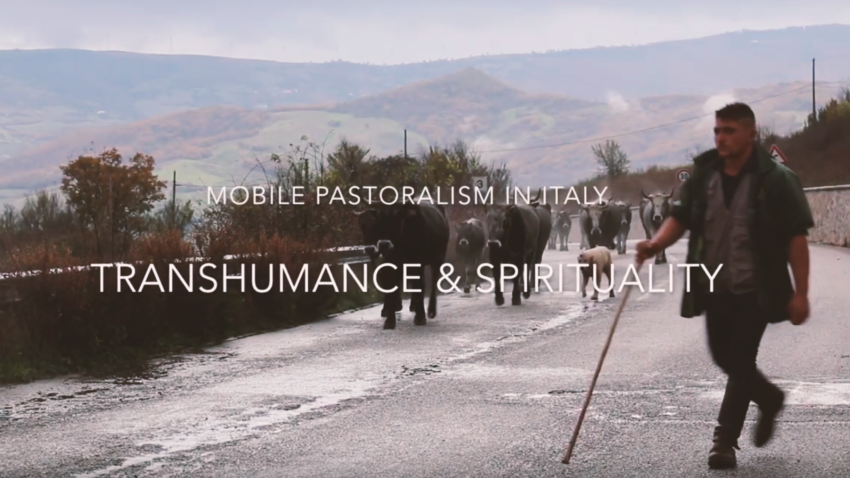
For thousands of years, mobile pastoralist communities have shaped landscapes, culture, and spirituality worldwide. In Italy, transhumance exemplifies the deep interaction between people and nature, influencing cultural diversity and spiritual practices. Father Mario Villani, during our interview, highlights the historical and cultural significance of transhumance in Europe.
Category: fp
On the Ground Support
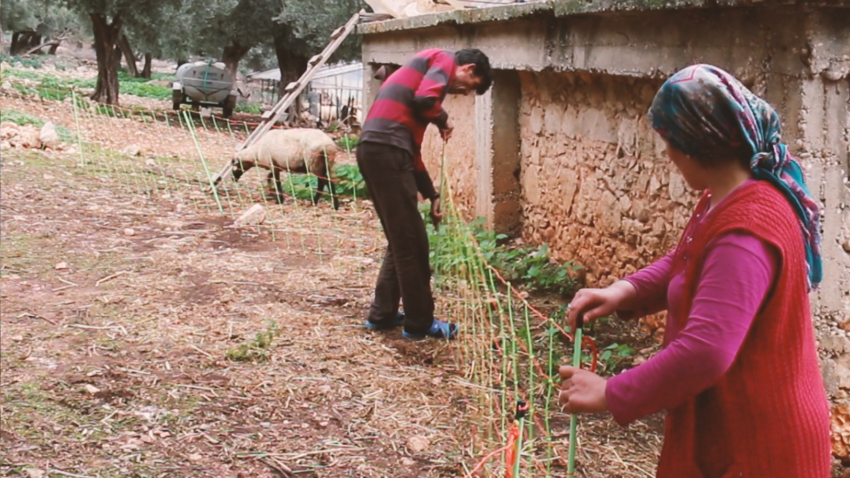
Mobile pastoralists play a vital role in coexistence with carnivores, often impacted by habitat loss and prey scarcity. To address this, we introduced portable electric fences as a non-lethal mitigation measure against predation. In collaboration with Trashumancia y Naturaleza, trials in Turkey with the Koçbıyık family aim to reduce wolf-human conflict effectively.
One Square Meter
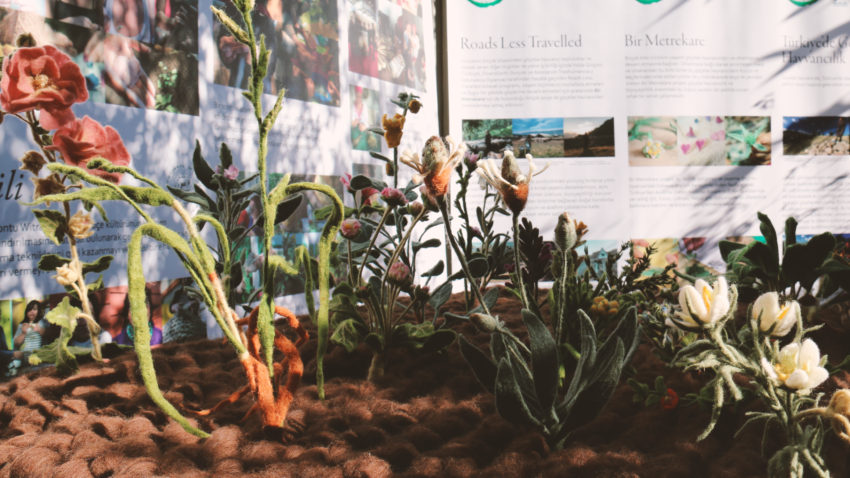
One Square Meter is a needle-felt sculpture representing mobile pastoralism’s impact on rangeland flora. As part of the Roads Less Travelled Global initiative, includes contributions from global communities. The Turkish edition, by Avukma Üreten Kadınlar Kooperatifi, premiered in İzmir on December 8-9, 2018, showcasing local plant diversity.

Roads Less Travelled
Roads Less Travelled has launched globally at the CCRN & IUCN Conference, supporting mobile pastoralists in maintaining their traditional lifestyles and movement. Initiated by Yolda Initiative, DiversEarth, and Trashumancia y Naturaleza, this program aims to connect communities, advocate for their vital role, and address challenges they face worldwide.
Spreading Out Roots
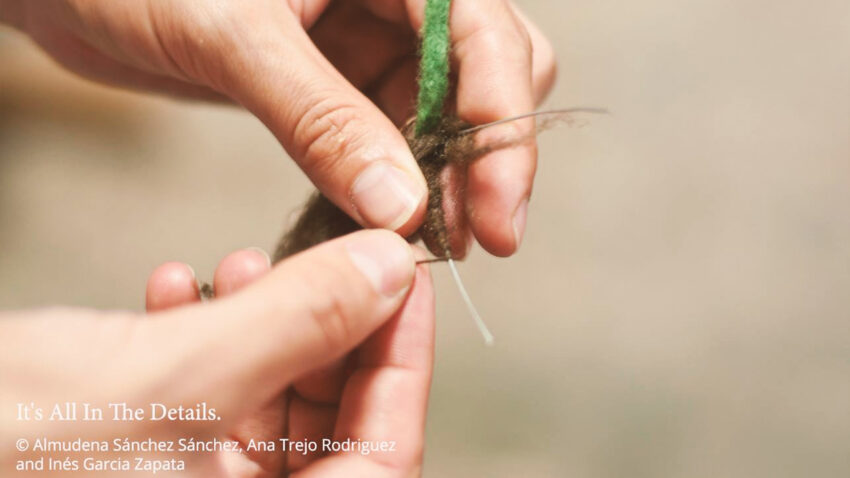
We’re thrilled to announce the expansion of One Square Meter, a needle-felt sculpture linking mobile pastoralism to biodiversity, now involving more women from pastoralist communities globally. This initiative celebrates mobile pastoralism’s benefits while supporting women’s livelihoods and promoting knowledge exchange, empowering communities to engage decision-makers and create lasting change.
New report: Mobile Pastoralism in the Mediterranean
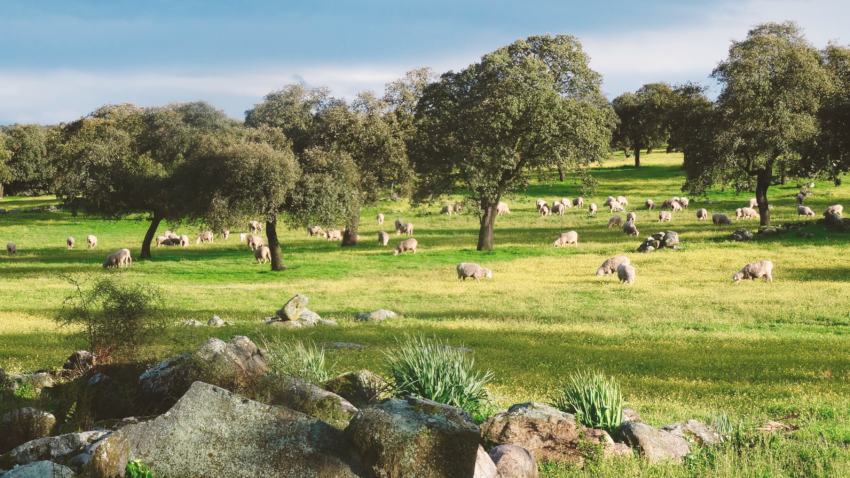
The new report Mobile Pastoralism in the Mediterranean highlights the benefits of this ancient practice for biodiversity, climate change, and rural economies. Despite its advantages, it is often misperceived as unsustainable. The report provides over 100 arguments to help advocate for informed policies supporting pastoralists and their traditions.