

We concluded our “Sustainable Economic Model for Mobile Pastoralism” workshop, organized by the Yolda Initiative, Sarıkeçililer Survival and Solidarity Association, and I4D. Experts from various fields explored mobile pastoralism’s economic potential, discussing meat, dairy, cosmetics, and wool products, and developing sustainable, nature- and climate-friendly models. Thank you to all the participants!
Category: Mobile Pastoralism
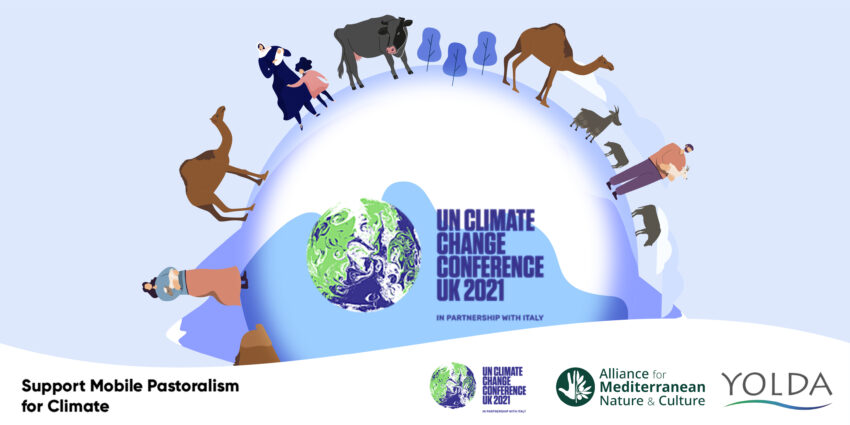
Our Call to UNFCCC COP 26 Participants
As COP26 begins, it’s crucial to recognize mobile pastoralism as a pioneer in sustainable livestock production. It supports livelihoods, reduces fossil fuel reliance, and plays a vital role in mitigating the climate crisis. By fostering resilient ecosystems and carbon sequestration, mobile pastoralism is an essential pathway toward achieving global net-zero goals. Supporting this system is not only necessary for climate action but also for securing food for hundreds of millions who rely on it. Let’s ensure mobile pastoralists’ voices are heard in global climate debates and policies.
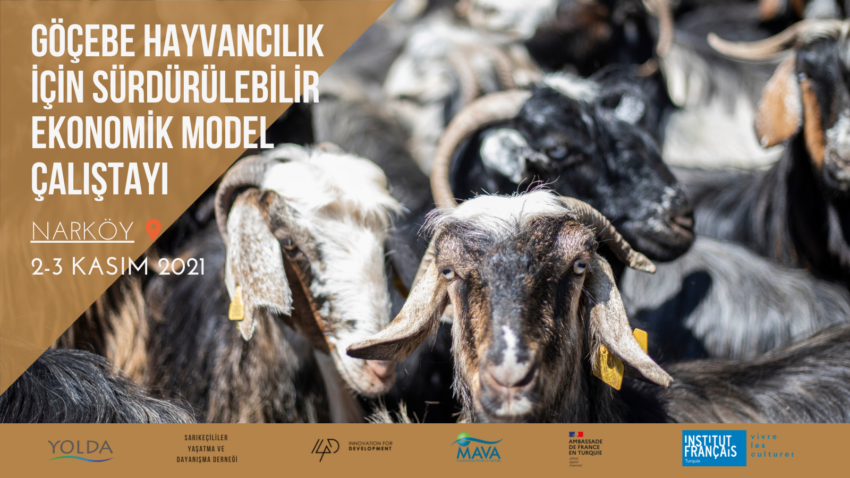
Sustainable Economies for Mobile Pastoralism
Our project, “A Retro-Innovative Perspective for Sustainable Economies: Mobile Pastoralism,” continues with an exciting workshop bringing together Sarıkeçili nomadic pastoralists, researchers, development specialists, cooperatives, chefs, and textile designers. Together, we will explore the economic potential of mobile pastoralism, focusing on products like meat, dairy, wool, and cosmetics, while promoting environmental sustainability.
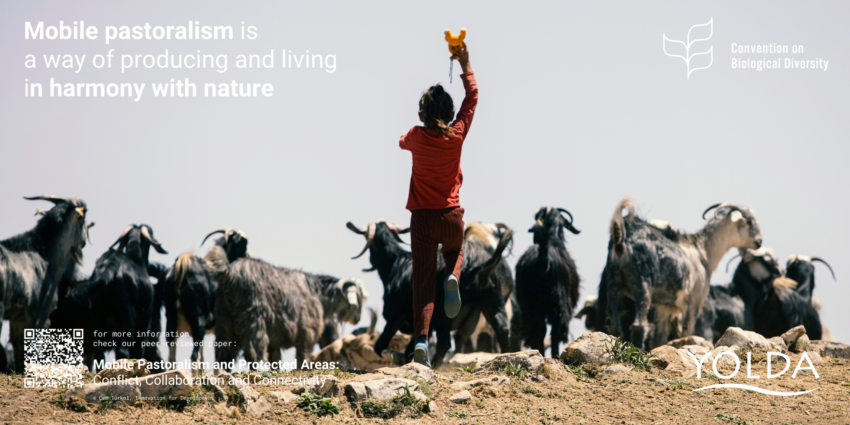
Our Call to CBD COP 15 Participants
As CBD COP 15 begins online, we emphasize the vital link between mobile pastoralism and biodiversity. Protected areas must be managed respecting mobile pastoralists’ inherent land rights, avoiding harmful policies like forced evictions and mobility restrictions. For more details, see our article “Mobile Pastoralism and Protected Areas: Conflict, Collaboration and Connectivity.”
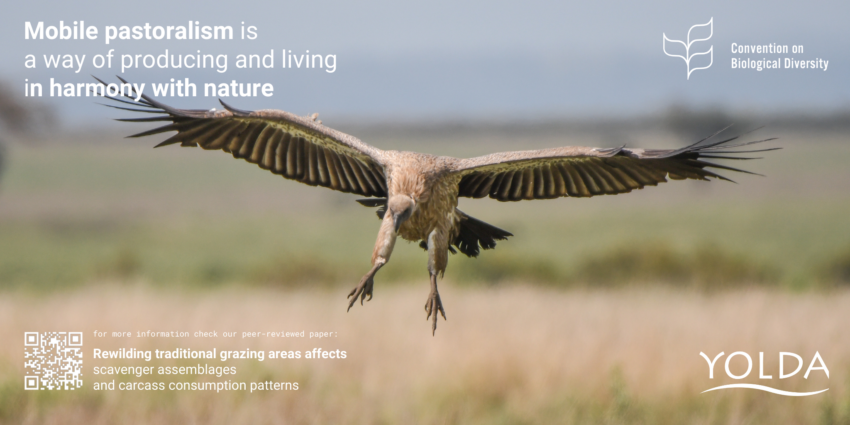
Our Call to CBD COP 15 Participants
As CBD COP 15 begins online, we highlight the crucial link between mobile pastoralism and biodiversity. Abandoning traditional grazing systems, like mobile pastoralism, could harm scavenger communities, including vultures, and should be addressed by ecologists and wildlife managers. For more information, see our article “Rewilding traditional grazing areas affects scavenger assemblages and carcass consumption patterns.”
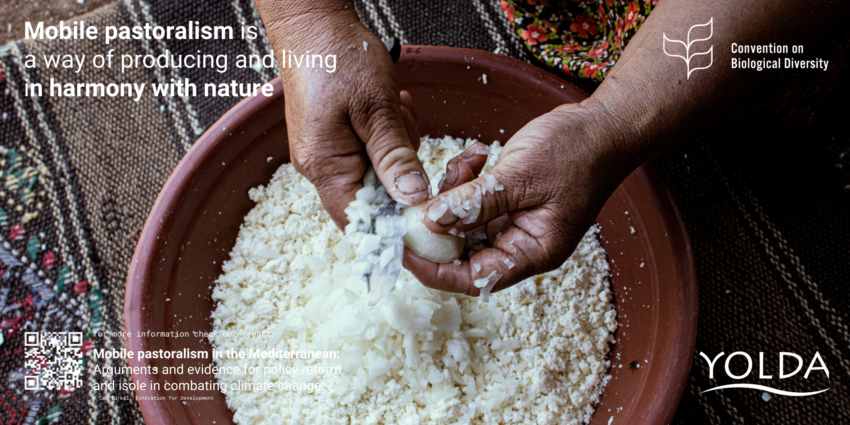
Our Call to CBD COP 15 Participants
As CBD COP 15 begins online, we emphasize mobile pastoralism’s key role in transitioning to a circular economy and promoting nature-friendly economies aligned with biodiversity. Supporting mobile pastoralism is essential for reintegrating livestock production with nature. For more insights, see our report “Mobile Pastoralism in the Mediterranean.”