
Join us for our side event at #COP16Colombia @IUCN Pavillion! Lorem Ipsum Lorem ipsum dolor sit amet, consectetur adipiscing elit. Etiam tempus metus ligula, scelerisque semper felis auctor fringilla. Phasellus ut felis lobortis, vulputate enim in, eleifend turpis. Pellentesque imperdiet turpis id odio consectetur, sed tincidunt magna cursus. Integer porttitor ultricies massa ac semper. Praesent…
Category: Uncategorized
New Project: COMDEKS 4 Türkiye Strategy Development
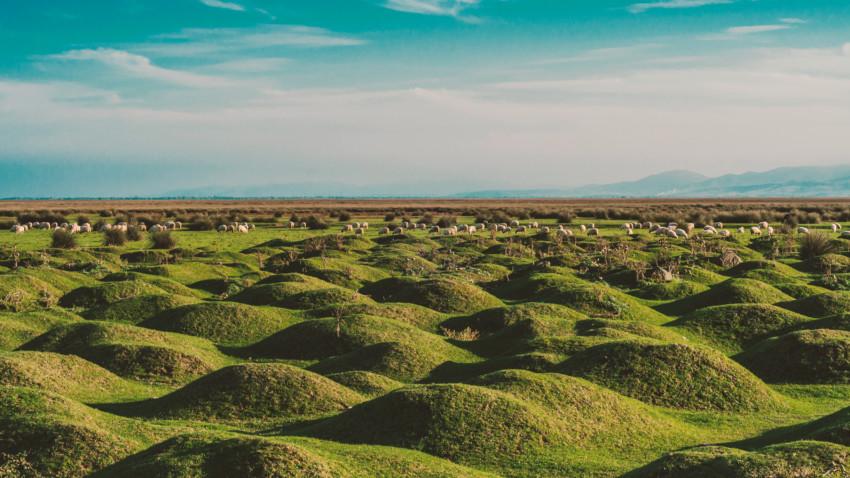
The strategic planning of the 4th phase of the Community Development and Knowledge Management for the Satoyama Initiative (COMDEKS) to be implemented in Türkiye will be developed by Yolda! COMDEKS aims to promote the sustainable use of natural resources in Socio-ecological Production Landscapes and Seascapes (SEPLS) with local communities and, in doing so, contribute to…
Ecological Footprint of Goat Meat from Nomadic Pastoralist Families in Turkey
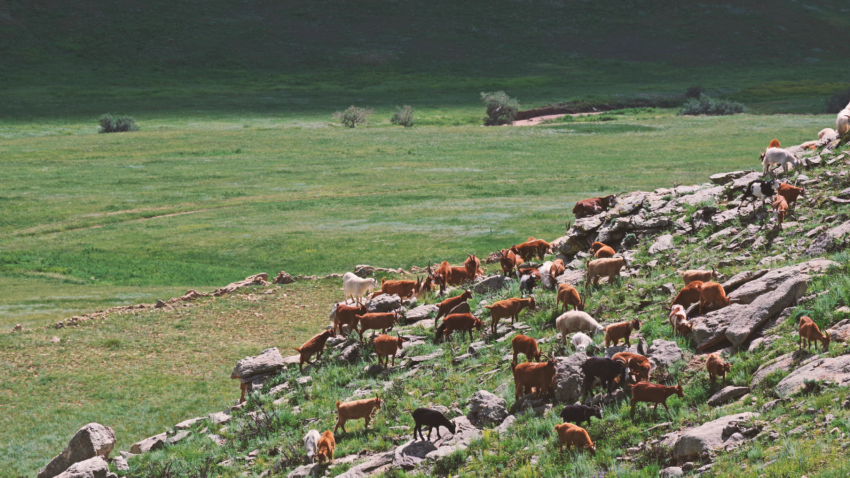
The report “Ecological Footprint of Goat Meat from Nomadic Pastoralist Families in Turkey,” resulting from our collaboration with the Global Footprint Network has been published! The report analyses the ecological footprint of the nomadic pastoralism practised by the Sarıkeçili community in Turkey.
On the Move for Spring Migration: Day 15
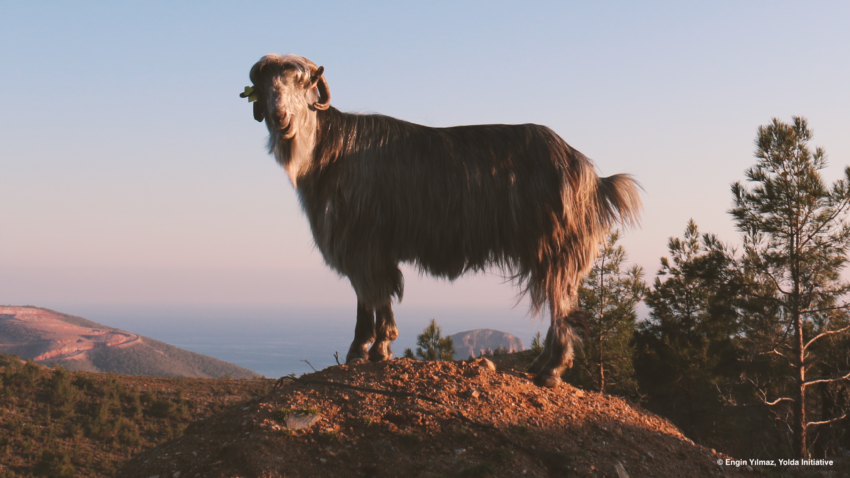
Mobile pastoralists, such as the Sarıkeçili of Turkey, demonstrate significant resilience and adaptability to climate change through their mobility, use of local breeds, and communal land management. Their traditional practices support biodiversity and sustainable resource use, making them key allies in climate adaptation efforts.
On the Move for Spring Migration: Day 14
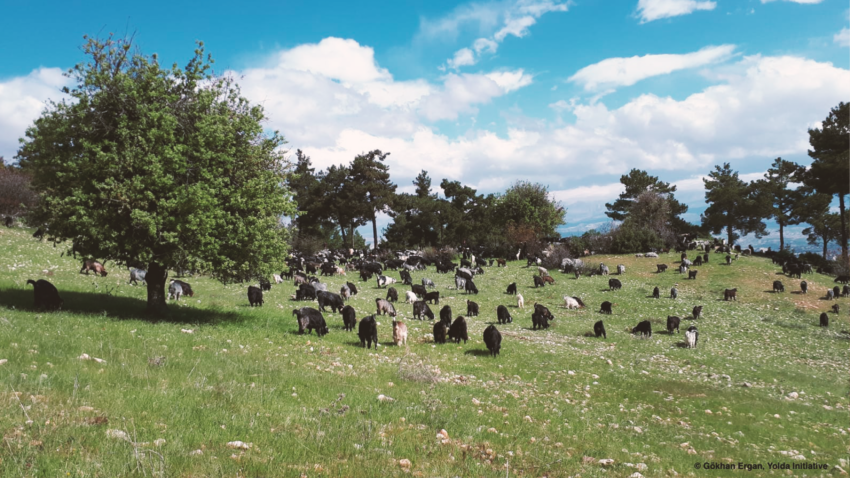
Mobile pastoralism, exemplified by the Bacak family’s migration in Turkey, is highlighted as a climate-friendly livestock farming system. It reduces fossil fuel use, maintains carbon-rich soils, and sustains ecosystems, making it a crucial tool for climate change adaptation and mitigation and biodiversity conservation.
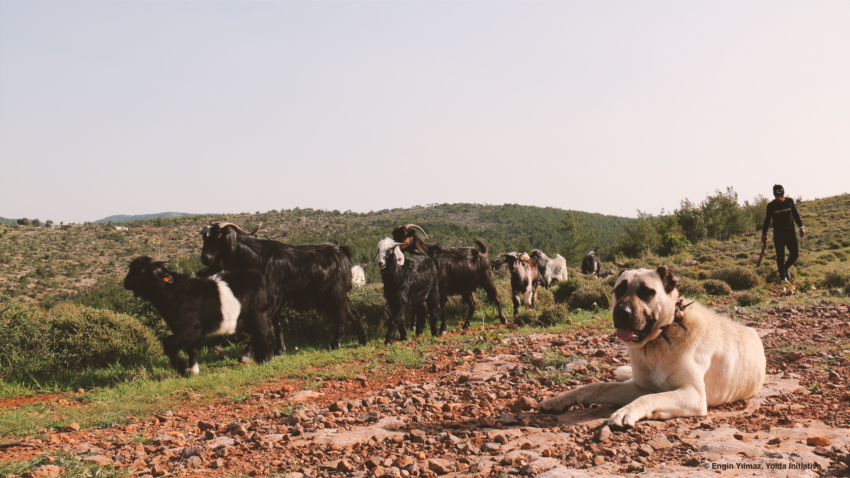
On the Move for Spring Migration: Day 13
The Bacak family’s spring migration in Turkey underscores mobile pastoralism’s role in biodiversity and climate-friendly practices. Their use of livestock-guarding dogs offers insights into human-wildlife coexistence. Addressing habitat loss and integrating pastoralist knowledge with scientific expertise fosters harmonious coexistence.